

How Do You Choose Metal Nameplates and Tags That Last Match the material to the...
Read More

When a label fails in an industrial environment, the consequences extend well beyond re-tagging equipment. Illegible asset markings trigger failed audits, compliance violations, and, in regulated settings, serious safety incidents.
Custom Metal Identification in Short
Paper and plastic labels fail exactly when a facility needs them most, cracking, fading, or peeling under UV exposure, chemical contact, or temperature swings. Custom metal tags, nameplates, and labels solve this by embedding information directly into materials such as anodized aluminum, stainless steel, or brass, so the marking endures as long as the asset does. The right choice depends on how the product will be mounted, what method suits the application (anodizing, laser or rotary engraving, chemical etching, screen printing, or digital printing), and what compliance requirements apply. Manufacturers, OEMs, and asset managers across industries from oil and gas to electrical systems rely on this durability to keep equipment identifiable, auditable, and compliant for years.
The main takeaway: metal identification isn’t a cosmetic upgrade over paper or plastic; it’s the difference between an asset that stays trackable for its full working life and one that becomes a compliance risk within months. Choosing the right material, method, and manufacturing partner up front protects a facility from failed audits, safety violations, and costly retrofits down the line.
Paper labels peel. Plastic tags crack, fade, and become unreadable under Ultraviolet (UV) exposure, chemical contact, or temperature extremes. For Canadian manufacturers, Original Equipment Manufacturers (OEMs), engineers, and procurement professionals, the question isn’t whether to invest in durable identification; it’s which solution is built to last.
Canada’s industrial sector is large, active, and growing more complex. Manufacturing, primary metals production, and equipment manufacturing all depend on physical assets that must be tracked, maintained, and accounted for over long operational lifespans. At this scale, the tools used to identify, track, and manage physical assets are a foundation of operational reliability.
Custom metal tags and nameplates have answered the identification challenge for decades. They resist the conditions that destroy other materials, remain legible throughout an asset’s full operational lifecycle, and provide the compliance documentation that regulators require.
This guide covers everything procurement professionals, engineers, and asset managers need to know. From what custom metal identification products are to how they’re made, which materials to specify, where they’re used, and what to look for in a Canadian manufacturer.
The terms “metal tags,” “metal nameplates,” and “metal labels” are often used interchangeably, but each refers to a distinct product with a specific function.
Understanding which product type fits your application helps avoid misspecification, especially for procurement professionals managing large-scale equipment identification programs.
| Feature | Metal Tags | Metal Nameplates | Metal Labels |
|---|---|---|---|
| Attachment Method | Wire, chain, rivet, hole | Screws, rivets, adhesive | Pressure-sensitive adhesive |
| Typical Use | Valves, assets, tools, pipes | Machinery, products, doors, panels | Data plates, equipment surfaces |
| Common Materials | Aluminum, stainless steel, brass | Aluminum, stainless steel | Aluminum, Mylar, foil |
| Customization Level | High | High | Moderate to High |
| Indoor / Outdoor | Both | Both | Both |
| Volume Range | Low to High | Low to High | Low to High |
The right choice depends on your mounting surface, environment, information requirements, and the degree to which the identification needs to be permanently fixed.
Procurement decisions around identification products are often driven by upfront cost. It’s easy to default to plastic tags or adhesive paper labels when they appear cheaper at the point of purchase. The real cost comparison, however, plays out over time, and metal wins decisively.
Paper labels degrade quickly when exposed to moisture, grease, solvents, or UV light. In manufacturing and outdoor environments, they may become illegible within weeks. Plastic tags crack under mechanical stress, become brittle in cold temperatures, and fade in sunlight. Neither material is adequate for industrial environments where equipment must remain identifiable for years or decades.
Custom metal labels and tags are a different category entirely. Anodized aluminum resists corrosion, UV degradation, and surface abrasion. Stainless steel withstands extreme heat, chemical exposure, and mechanical wear without losing legibility. Engraved and etched markings are permanent. The information is embedded into the material itself, not printed on top of it.
There’s also the compliance dimension. In regulated industries, asset identification must meet specific standards, from Occupational Safety and Health Administration (OSHA) requirements in safety-critical environments to Canadian Standards Association (CSA) and Canadian regulatory frameworks.
Metal nameplates and tags that comply with these standards are good practices and help protect companies from fines, failed inspections, and liability exposure.
The market reflects this shift in thinking. Demand for durable industrial labelling continues to grow, driven in large part by increasing automation, supply chain traceability requirements, and stricter regulatory compliance across manufacturing and construction.
For a deeper look at why businesses across Canada are making the switch, read The Significance of Metal Tags in Business.
Material selection is the most consequential decision in specifying a custom metal identification product. The right material depends on the operating environment, required lifespan, aesthetic requirements, and budget.
Here’s how the primary options compare:
| Material | Best For | Key Strength | Limitations |
|---|---|---|---|
| Anodized Aluminum | General industrial, outdoor, colour-coded systems | Durable, lightweight, and colour options | Not ideal for extreme chemical immersion |
| Stainless Steel | Harsh industrial, chemical, and marine environments | Maximum durability, corrosion-resistant | Higher cost, heavier |
| Brass | Control panels, commercial, decorative | Aesthetic appeal, corrosion-resistant | Less suited for abrasive environments |
| Foil / Mylar | Data plates, product labels, curved surfaces | Flexible, comfortable, adhesive-backed | Not suitable for extreme abrasion |
The manufacturing method determines how information is applied to the tag or nameplate and directly affects durability, legibility, and cost. Identifab Industries uses a full suite of customization techniques, which means the right process can be matched to each application rather than forcing a one-size-fits-all approach.
Anodizing is both a material treatment and a customization method. Images, text, and graphics are applied to aluminum during the anodizing process, bonding dyes permanently into the surface before sealing.
The result is a full-colour, permanent image that cannot be scratched or peeled away. Anodized aluminum nameplates are ideal for multicolour applications requiring long-term outdoor durability.
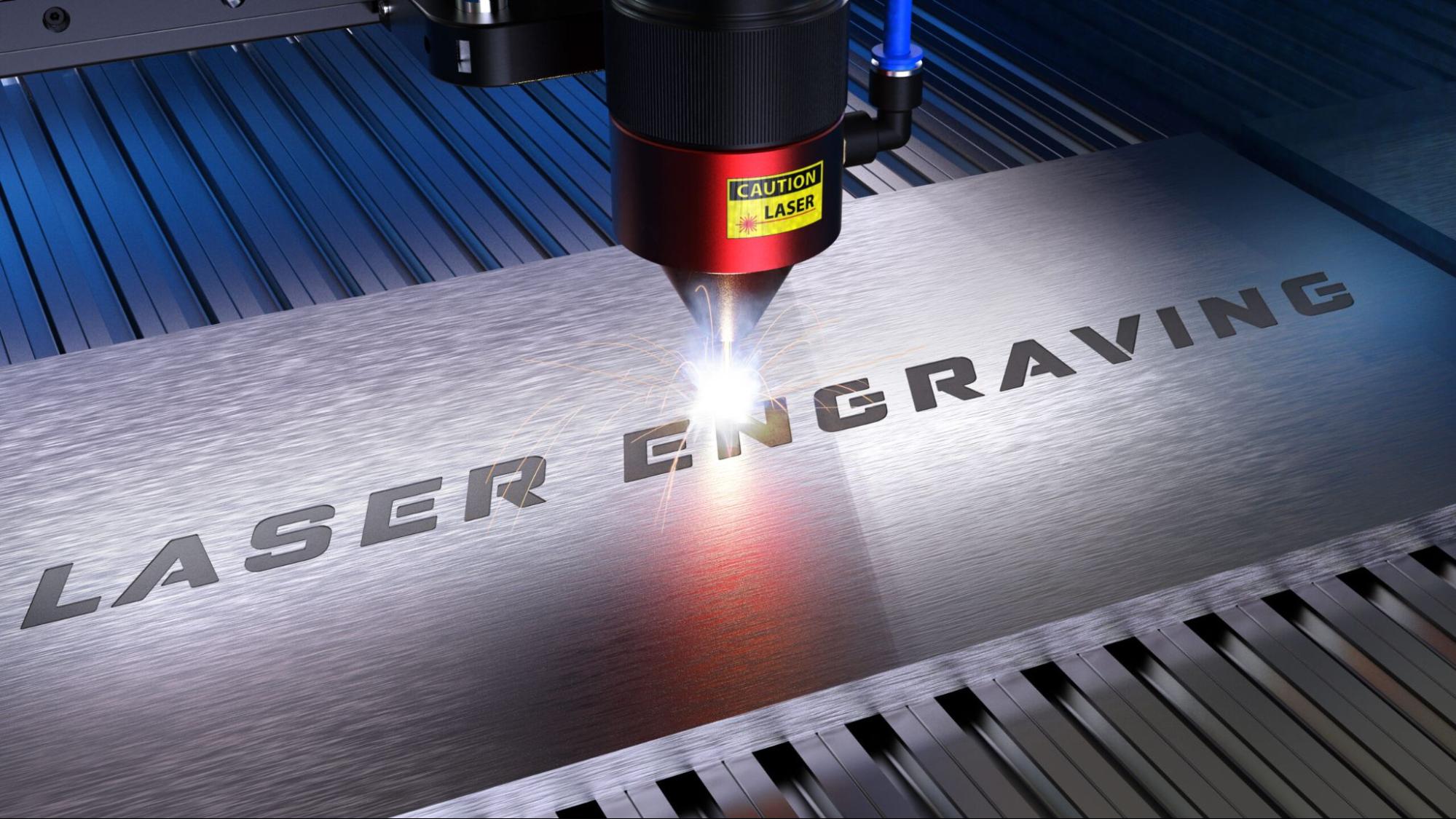
Laser engraving uses a focused beam to remove or mark the surface of the material, creating precise, permanent markings. It is the preferred method for barcodes, QR codes, serial numbers, and detailed text.
Laser engraving is efficient for low- to medium-volume runs and delivers consistent results across varying batch sizes.
Rotary engraving uses a mechanical cutting tool to carve markings into the material. It produces a deeper, more tactile mark than laser engraving, making it well-suited for nameplates, faceplates, name badges, and personal identification products. Rotary-engraved markings remain readable even under heavy surface wear.
Chemical etching uses a controlled acid process to embed designs and text into the metal surface. The marking is recessed into the material rather than applied to its surface, making it highly resistant to harsh chemicals, abrasion, and industrial cleaning processes.
Chemical etching is commonly specified for stainless steel tags used in oil and gas, chemical processing, and marine environments.
Screen printing applies baked enamel paint to the metal surface through a mesh screen. It supports multicolour designs and is efficient for larger production runs. The baked enamel finish is durable and delivers vibrant, precise colour reproduction, making it well-suited for custom metal nameplates that require consistent colour across high-volume orders.
Digital printing enables on-demand, short-run production with fast turnaround and the flexibility to vary data from tag to tag. It is ideal for serialized labels, proof-of-concept runs, and applications that require variable information, such as sequential numbering, unique asset codes, or personalized data fields.
For a comprehensive breakdown of metal tag types and manufacturing methods, see Everything You Need to Know About Metal Tags.
Custom metal identification products serve a wide range of industries, each with its own environmental conditions, compliance requirements, and identification challenges.
Understanding how different sectors use these products helps frame the right specification from the start.
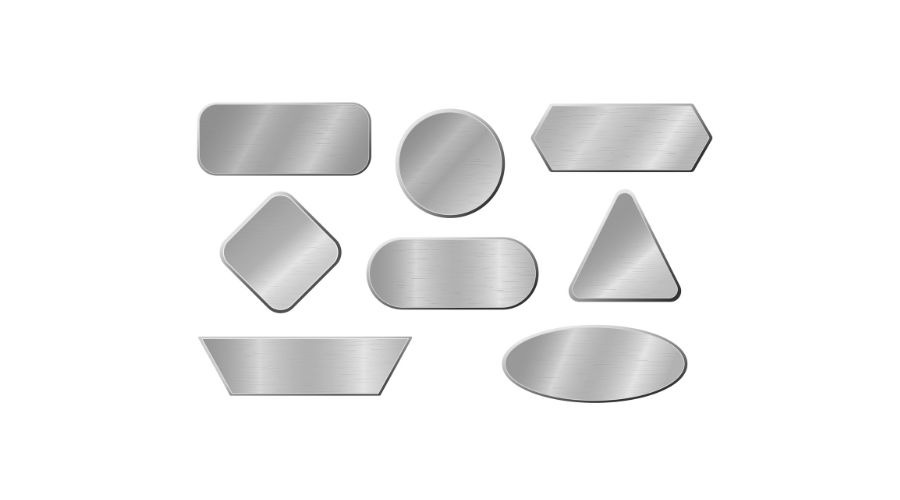
Manufacturing environments demand identification solutions that withstand the same conditions as the machinery they label, including heat, vibration, exposure to oils and coolants, and continuous mechanical contact.
Custom metal nameplates on manufacturing equipment carry serial numbers, model data, electrical ratings, and maintenance schedules. Machine builders and OEMs also use custom nameplates as a product-branding element, embedding company identity directly on equipment as part of the finished-product specification.
For pipelines, valve systems, and utility infrastructure, identification is a safety-critical function. Valve tags must clearly identify what each valve controls, its pressure rating, and its status in the system.
Custom metal tags in Canada’s oil, gas, and utilities sectors are typically manufactured in anodized aluminum or stainless steel to withstand outdoor exposure, chemical contact, and temperature cycling.
Large construction firms use custom asset tags to track equipment, tools, and materials across complex, multi-site projects. Asset tags with barcodes or QR codes enable accurate inventory management and accountability for high-value equipment that moves between locations.
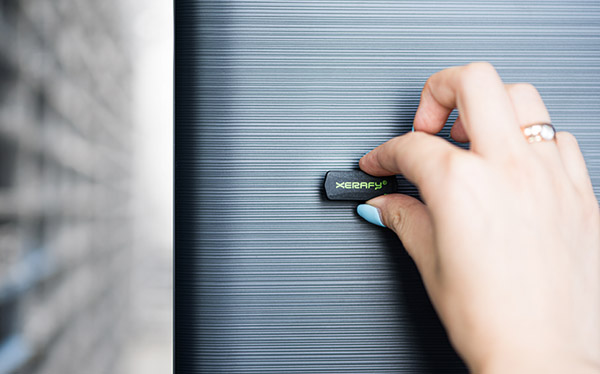
For infrastructure projects with specific compliance requirements, metal nameplates on structural components provide permanent documentation of specifications, certifications, and inspection records.
Electrical panels, switchgear, and control systems require precise, durable labelling to support safe operation and maintenance. Metal labels and engraved nameplates identify individual circuits, breakers, switches, and warning zones.
Regulatory requirements for electrical equipment labelling in Canada are specific, and non-compliant identification creates liability exposure. Metal labels engineered to meet these standards provide the documentation trail that inspectors and auditors require.
For a full overview of the sectors that depend on metal identification products, read Industries That Commonly Rely on Metal Tags.
For asset managers and operations teams, the identification tag is the first link in the asset tracking chain. A tag that fails breaks that chain. Once an asset can no longer be identified, it cannot be tracked, audited, maintained on schedule, or located when it moves between departments or sites.
The business case for reliable asset identification is underscored by market momentum. Demand for dependable asset tracking continues to grow across Canadian industry, as more organizations formalize how they identify, monitor, and account for physical assets.
Custom metal asset tags are engineered to remain the weakest link in the chain only in theory. With laser-engraved barcodes, QR codes, or serial numbers embedded in anodized aluminum or stainless steel, these components integrate seamlessly with digital asset management systems.
Organizations that use durable metal asset tags tend to report fewer lost assets, fewer duplicate purchases, faster audit cycles, and improved compliance documentation. For asset-intensive operations, the efficiency gains across a multi-year equipment lifecycle are substantial.
Read more about how Canadian-made custom tags support asset management programs: Empower Your Asset Management: Canadian-Made Custom Tags.
Industrial identification is a legal requirement in many environments. In Canada, provincial occupational health and safety legislation and federal regulations mandate durable identification for equipment, hazardous areas, electrical systems, and safety-critical assets. OSHA standards apply in cross-border contexts.
Identifab manufactures custom metal labels and nameplates to comply with applicable OSHA requirements and Canadian regulatory standards. Products can be specified with hazard communication elements, safety warnings, and compliance markings for regulated industries.
Specifying compliant identification at the point of purchase is far less costly than retrofitting non-compliant assets before an inspection. Metal identification that meets regulatory standards from day one protects the organization throughout the asset’s full operational life.
Custom metal nameplates do more than identify. They reflect manufacturing quality and brand standards. For OEMs, the nameplate is part of the finished product. It signals precision and attention to detail to every end customer who encounters it.
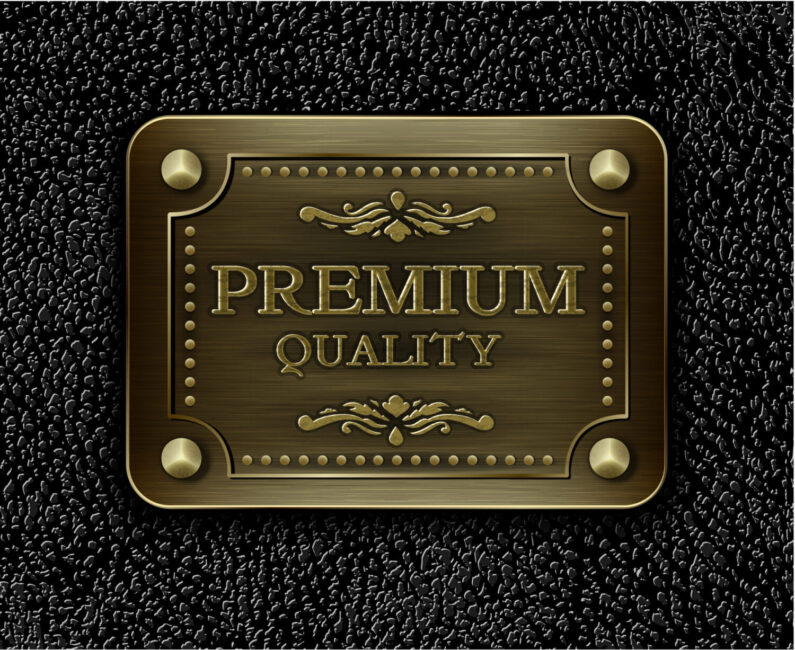
Identifab works with manufacturers to develop custom nameplates that integrate company logos, brand colours, model information, and certifications in a single plate.
In commercial environments, the same principle applies at a human scale. A custom brass or anodized aluminum door nameplate communicates more than a name. It reflects the standards of the organization behind it.
For procurement professionals and engineers, supplier relationships matter as much as the product itself. Here are the key factors to evaluate.
Identifab Industries Limited has been manufacturing custom metal identification products from its Ontario facility since 1969. The company offers:
Whether you’re specifying metal tags for a new facility, replacing aging identification across an existing fleet of assets, or developing a product nameplate for a new equipment line, Identifab Industries has the expertise, capabilities, and track record to deliver exactly what your application requires.
Contact Identifab Industries today for a free, no-obligation quote on custom metal tags, custom nameplates, metal labels, and industrial identification products.
Metal tags are typically attached using wire, chains, rivets, or mounting holes, while metal nameplates are generally fixed directly to machinery, equipment, panels, or other surfaces.
Common materials include anodized aluminum, stainless steel, and brass. The right material depends on the application, operating environment, durability requirements, and budget.
Common methods include anodizing, laser engraving, rotary engraving, chemical etching, screen printing, and digital printing. The appropriate method depends on the required durability, detail, colour, and information.
Yes. Custom metal tags can include barcodes, QR codes, serial numbers, asset numbers, and other identification information depending on the application.
Consider the operating environment, material, mounting method, required lifespan, exposure conditions, identification requirements, and applicable standards when choosing a metal tag.
Contact us to explore how we can help your business grow.
We have been doing business with Identifab Industries Limited for close to 10 years and will continue to work with Identifab for many years to come. The quality of work and service has impressed me on a multitude of levels.They are efficient and are always able to deliver a quality product in a timely manner, not to mention the friendliness, professionalism, great customer service and family oriented atmosphere.
Thank you Identifab family for your superior service over the years.
As a longtime supporter of Trench Ltd (since 1970), we have found Identifab to be a very valuable supplier. We have had continued success with this relationship over the years due to their quality of product, customer service, on time delivery and especially their ability to regroup during our unusual trending of ups and downs in Production requirements. They pull out all the stops to make these trends flow as smoothly as possible. I would recommend this supplier without hesitation.


Get In Touch with Identifab for Custom Labels & Name Plates
